Brand Strategy in Boutique Hospitality
Brand strategy inside a hotel rarely belongs to one department. A decision that eventually becomes a social post, campaign, press image or guest offer may have started with revenue, operations, an event happening nearby or a conversation with a partner.
A hotel that feels simple and considered, like Dutch hospitality group Good Hotel, often requires a surprising amount of work behind the scenes.
Working in brand and creative direction for Good Hotel London means supporting the team as those priorities come together. Revenue may be looking at occupancy while the events team is planning an activation, a creator is asking about a PR stay and a community partner has a workshop approaching. Each starts in a different part of the operation, but ultimately they all contribute to the same guest experience.
Much of a brand strategist’s role is deciphering inputs across departments and working with teams to ensure the guest experiences the brand cohesively and consistently.
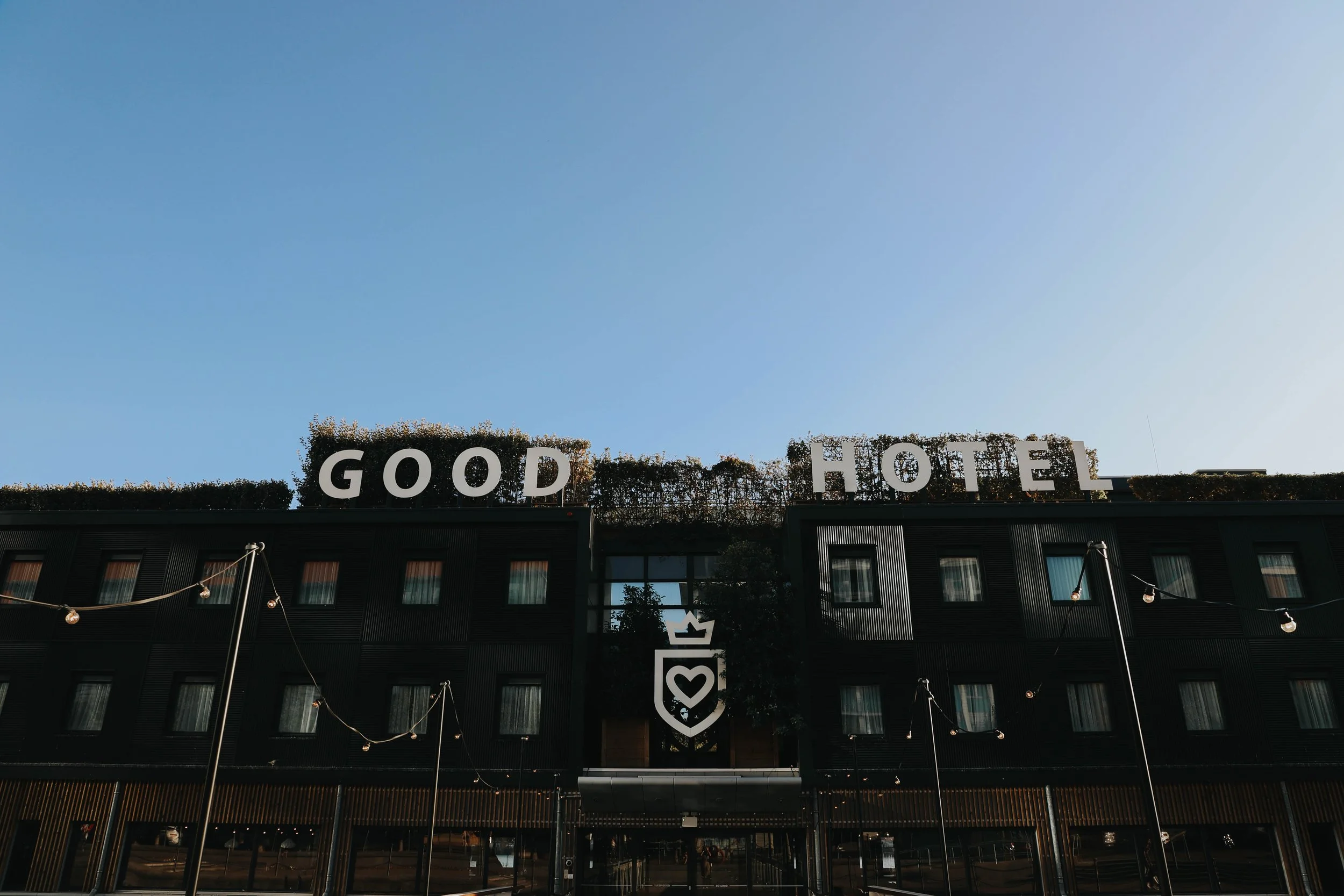
A Gifted PR Experience EXTENDS PAst what you see on social media
As a brand strategist, vetting inbound creator, PR and influencer requests requires discernment and trend forecasting. When a creator reaches out to Good Hotel for a complimentary stay, there are certain things that should be taken into consideration. Follower count is only a small part of that.
As a social impact business, Good Hotel reinvests its profits into community projects, meaning as a brand we are quite selective about our partnerships. Does their content aesthetic match, or at least not clash with, our brand standards? Is their proposal intentional, or is it a generic copy-paste pitch being sent to multiple hotels? Do they already follow and interact with the brand on social?
Who follows them? Where do they travel? How does their audience respond? What have previous hotel collaborations looked like? Would the photographs or video they produce make sense for the hotel?
From there, the request moves through Revenue to consider availability, demand and occupancy, and whether a media rate or complimentary stay makes commercial sense. Deliverables are agreed accordingly. A discounted media rate might result primarily in social exposure, while a complimentary multi-night stay may warrant permanent social content and a library of photo and video assets the hotel can use beyond the collaboration.
The relationship along the way matters. A single request can touch Social, Revenue, Reservations and Brand before the creator has even checked in.
By the time a decision is made, the room, the audience, the photography, the guest experience, the internal team and what either side might still value six months later have all become part of the same conversation.
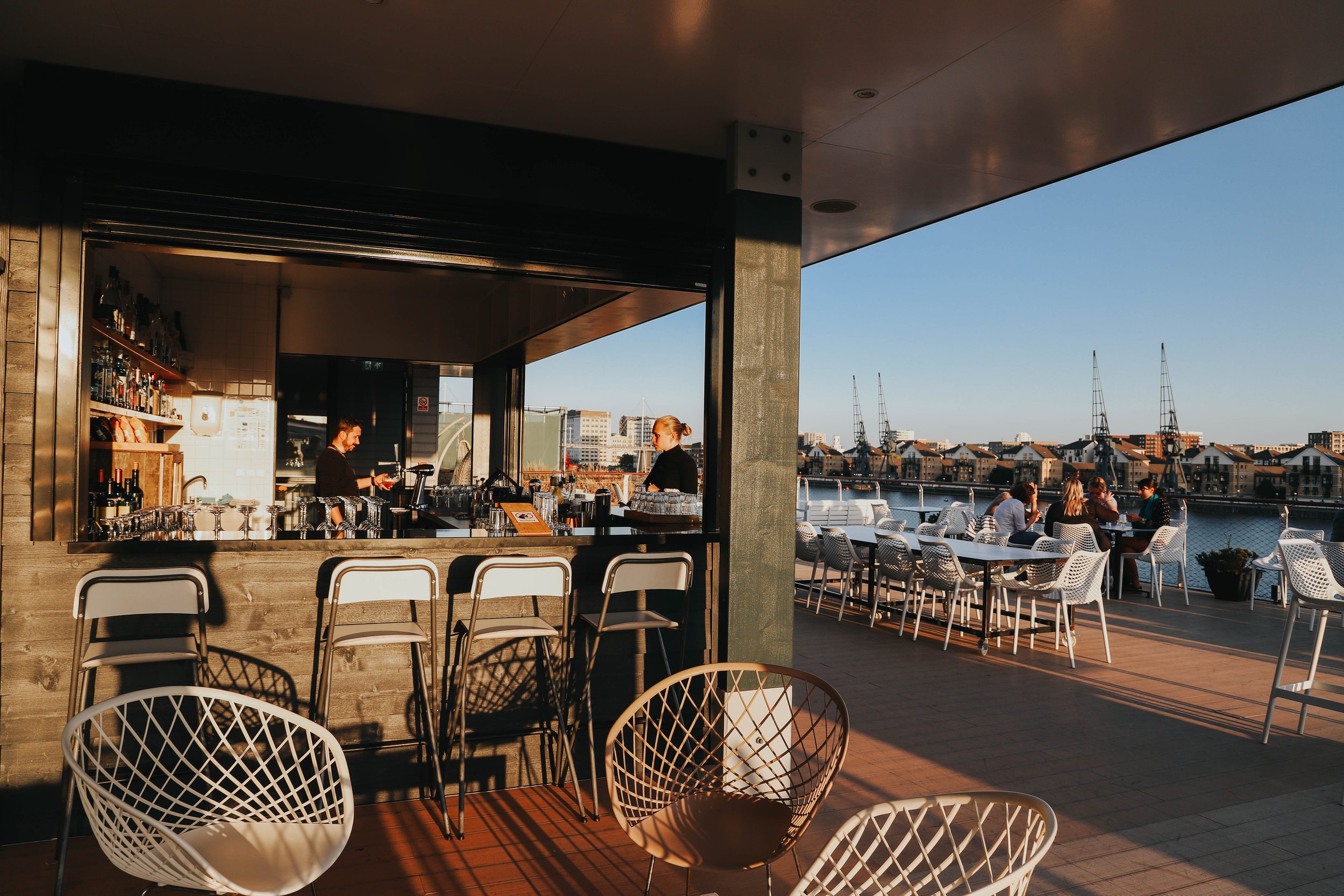
Cultural relevance is more than knowing what is popular
What’s so fascinating about Good Hotel London, and hospitality more broadly, is how much the destination, neighborhood and local culture influence the operation. Good Hotel sits directly across the water from The O2, London’s premier events and entertainment venue. Just this summer it saw Harry Styles, KATSEYE and none other than Ariana Grande.
As a timeless brand with headquarters in Amsterdam, but with a London team made up of local trainees and hospitality professionals, there is a natural tension between chasing trends and honoring the principles established by HQ. This is where brand strategy becomes particularly valuable. The space between what is happening locally and maintaining brand consistency is often where a brand strategist operates.
A summer on the Royal Docks for Good Hotel London is bustling with wakeboarding, splash pools and cable cars right outside the doorstep. The challenge is to match that energy without diluting the recognizable brand image.
The same applies to something as culturally significant as Ariana Grande’s ten-night residency at The O2. The cultural discourse around Ariana Grande was already heightened across social media, and choosing whether or not to participate in that conversation is an important decision for a brand like Good Hotel. Harnessing that attention is one thing. Knowing how much of it belongs to Good Hotel is another.
Sometimes a cultural moment belongs to a brand. Sometimes it is simply popular. Having the discretion to know the difference is brand strategy.
Not everything a hospitality brain knows belongs in the guest experience
In order to stay competitive in today’s travel landscape, hotel revenue departments have to be extra savvy. That means constantly monitoring rates, analyzing demand and anticipating OTA undercuts. Simultaneously, Operations is juggling in-house events, meeting room layouts and seasonal menus alongside the revolving door of arrivals and departures.
Behind the scenes, each department is working through its own lens. But eventually some of that information needs to become guest-facing, and that transition is where a brand strategist belongs.
An internal request can contain everything needed to execute it and still require another level of thinking before it becomes guest-facing. Anticipating demand around World Travel Market at ExCeL London is one thing. Deciding how much to invest in reaching that audience is another. And ultimately, how we put that out into the world is another.
In hospitality, several departments may contribute to the same decision, but what eventually reaches the guest has to remain consistent with everything else they are experiencing throughout the hotel.
A PR stay, lift poster or seasonal menu change may pass through multiple departments. To the guest, they are all Good Hotel.
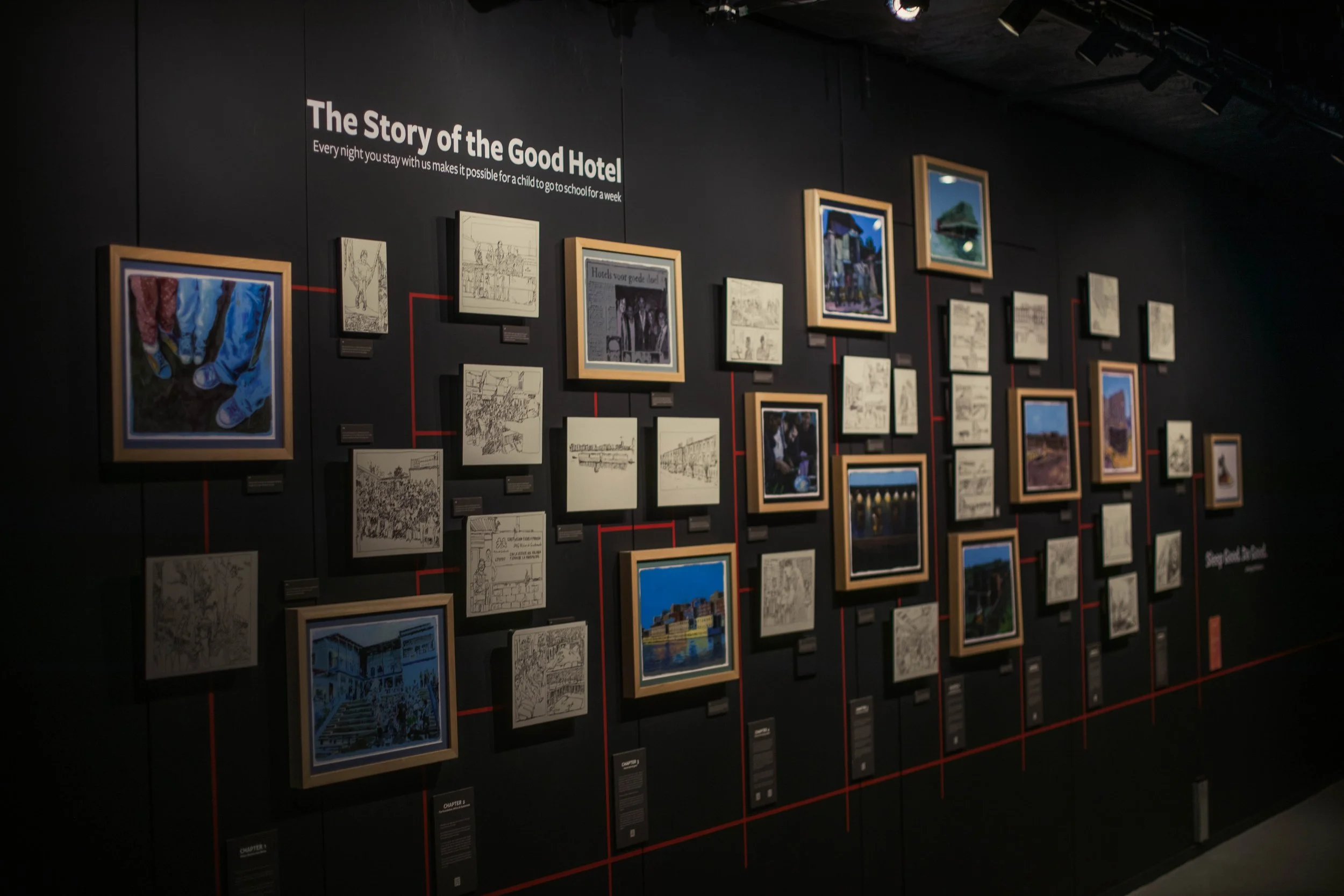
Social impact requires another layer of judgment
Good Hotel is a social impact business, which means its purpose is not separate from the commercial brand.
In London, the Good Training Program supports neighbors who face barriers to employment by providing hospitality training and work experience right at the hotel. In Guatemala, Good Hotel has a long-standing relationship with Niños de Guatemala, which provides quality education to more than 500 children outside Antigua.
These are stories that require a different level of consideration. They involve real people across different continents, languages and cultures. And that complexity is not limited to social impact. Good Hotel itself stretches from headquarters in Amsterdam to the melting pot of the Good Crew in London and guests arriving from around the world.
Words, photographs and even seemingly small creative decisions can read differently depending on who is looking at them, what is given prominence and what is left out. Understanding that context and knowing when the brand should take up less space in its own story are part of the judgment used by a cultural strategist.
Having a positive social impact is at the core of Good Hotel. And so is considering how everyone is represented.
The work moves between departments and levels of detail
The line between what happens behind the scenes in a hotel and what the guest experiences is the essence of hospitality.
For boutique hospitality brands like Good Hotel, smaller teams tend to work closely together and care deeply about the details. Keeping the business commercially strong, creating reasons for people to walk through the door and taking care of them once they do require different areas of expertise working toward the same experience.
Anyone who has worked in hospitality knows how much effort can sit behind something that feels effortless to the guest.
A brand strategist is part of that collaboration, bringing another area of expertise to the table. From a PR stay and cultural moment to a seasonal menu or social impact story, decisions move across teams before becoming part of the guest experience. Brand strategy helps connect those decisions so that what ultimately reaches the guest remains coherent with the brand as a whole.
To the guest, they are all Good Hotel.
The complexity belongs behind the scenes. This is hospitality, after all.
More from AYA CREATIVA